
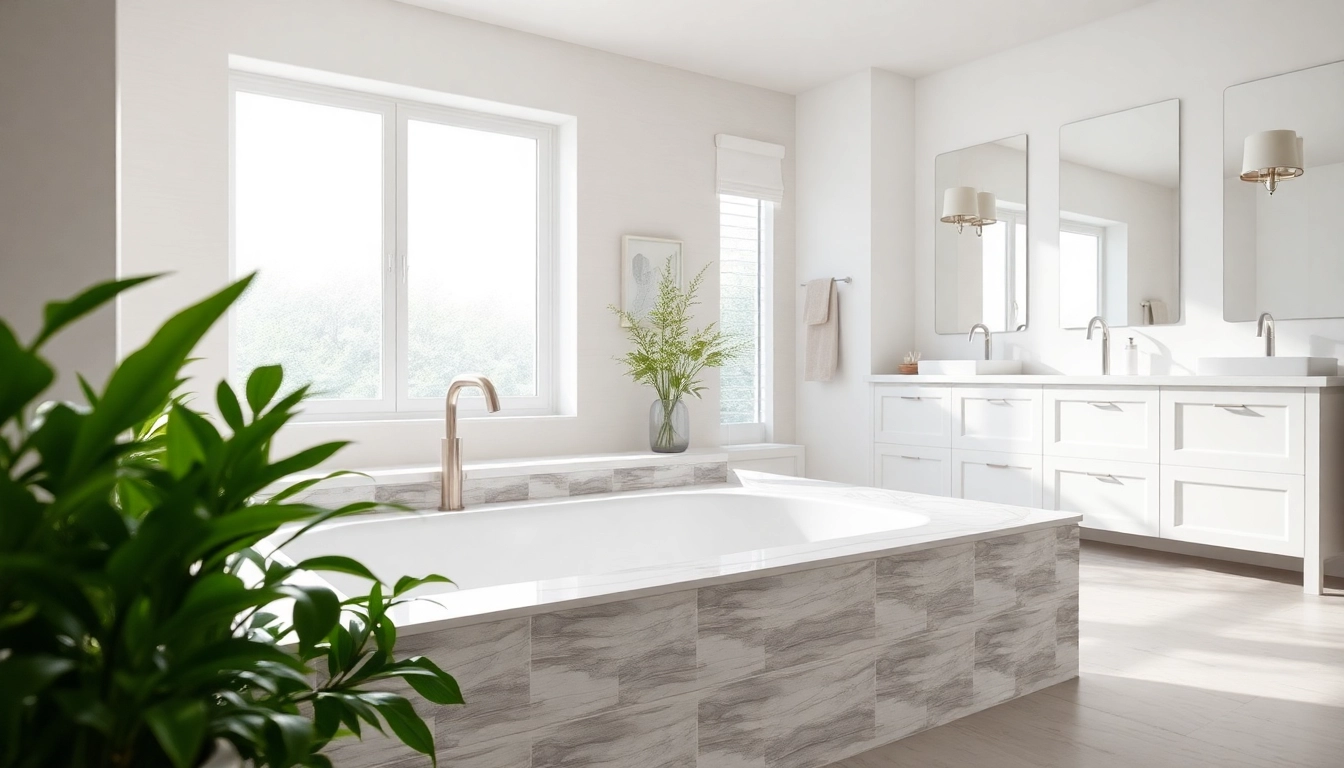
Understanding the Basics of Bathroom Remodeling
What is Bathroom Remodeling?
Bathroom remodeling is the process of updating and enhancing the design, functionality, and aesthetic appeal of your bathroom space. This can involve various changes, from minor updates like fresh paint or new fixtures to significant renovations that might include altering the floor plan, replacing plumbing, or upgrading electrical systems. Each remodeling project is unique, tailored to the specific needs and preferences of the homeowner. Those looking into bathroom remodeling should set clear objectives to guide the overall project.
Common Reasons for Bathroom Remodeling
Homeowners choose to remodel their bathrooms for a myriad of reasons. Here are some common motivations:
- Increasing Home Value: Modern, updated bathrooms can significantly boost the market value of a home.
- Functional Improvements: Many homeowners find that their current bathroom layout fails to meet their needs, especially as families grow or lifestyles change.
- Aesthetic Updates: Trends in design change over time, prompting many to remodel for a more contemporary look.
- Safety Enhancements: Older bathrooms may contain hazards or be less accessible, prompting renovations to improve safety.
- Energy Efficiency: Upgrading to more efficient fixtures can reduce utility bills and environmental impact.
Essential Planning Steps for a Successful Remodel
A successful bathroom remodel requires careful planning that involves several steps:
- Define Your Goals: Understand what you want to achieve with your remodel, whether it’s aesthetics, functionality, or both.
- Set a Budget: Determine how much you can afford to spend and allocate funds for unexpected costs.
- Research: Gather inspiration from magazines, websites, and showrooms to understand current trends and materials.
- Consult Professionals: If necessary, enlist the help of designers or contractors who can offer expertise and assist in complex decisions.
- Create a Timeline: Estimate how long the project will take and plan accordingly to minimize disruptions.
Design Inspirations for Bathroom Remodeling
Styles to Consider: Modern, Traditional, and More
When planning a bathroom remodel, choosing a design style is crucial. Here are some popular styles to consider:
- Modern: Characterized by sleek lines, minimalistic designs, and contemporary materials.
- Traditional: Features classic elements, rich materials, and a timeless look.
- Farmhouse: Offers a cozy, rustic vibe with wooden elements and vintage fixtures.
- Industrial: Combines raw materials like metal and concrete for an edgy, urban feel.
- Coastal: Emphasizes light colors, natural materials, and airy designs to evoke beachside aesthetics.
Color Palettes and Themes for a Cohesive Look
The color scheme can completely transform the feel of your bathroom. Popular palettes include:
- Neutral Tones: Here, warm whites, soft grays, and beige create a serene, calming space.
- Bold Accents: Deep blues, emerald greens, or rich blacks are great for creating focal points.
- Pastels: Soft pinks, mint greens, and light yellows add a playful touch.
- Monochromatic Schemes: Using varying shades of a single color can create a sophisticated look.
Accessorizing Your Bathroom: Key Elements to Include
Accessories play a pivotal role in completing the look of your bathroom. Essential elements include:
- Lighting: Incorporate layered lighting options, including ambient, task, and accent lighting.
- Storage Solutions: Use stylish cabinets, shelving, and decorative baskets to keep the space organized.
- Textiles: Towels, rugs, and curtains can add color and texture, enhancing comfort.
- Artwork: Adding artwork or decorative mirrors can personalize the space and make it feel more inviting.
- Plants: Bringing in greenery can add freshness and a touch of nature to your bathroom.
Budgeting for Your Bathroom Remodeling Project
Estimating Costs: What to Include in Your Budget
A well-informed budgeting process is vital for any bathroom remodeling project. Here are common costs to consider:
- Materials: Tiles, fixtures, cabinetry, and countertops can considerably affect your budget.
- Labor: Depending on the scope, hiring professionals may account for a significant portion of the total costs.
- Permits: Depending on your region, certain remodels may require permits that can add to the total cost.
- Unexpected Expenses: Always set aside 10-20% of your budget for unforeseen issues that may arise during the remodel.
How to Save Money Without Compromising Quality
Cost savings during a remodel are achievable without sacrificing quality. Consider implementing these strategies:
- DIY Tasks: Handle simpler tasks like painting or installing accessories yourself to cut costs.
- Prioritize Needs vs. Wants: Focus on essential upgrades and save luxury items for the future.
- Shop Smart: Look for sales, discounts, and consider second-hand materials that can reduce expenses.
- Keep Existing Layout: Avoid major plumbing changes that can significantly increase costs. Remodeling the existing layout can retain value while minimizing expenses.
Funding Options for Your Remodeling Project
If your budget falls short, consider the following financing options to fund your bathroom remodel:
- Home Equity Loans: These loans leverage your home’s equity and can offer lower interest rates.
- Personal Loans: Unsecured loans with fixed rates that may be easier to obtain.
- Credit Cards: Can be useful for minor expenses but watch interest rates.
- Government Loans and Grants: Investigate local grants for energy-efficient upgrades or loans from governmental programs aimed at helping homeowners.
Hiring Professionals for Bathroom Remodeling
When to Opt for DIY vs. Hiring Experts
Deciding between DIY and hiring professionals depends on your project’s complexity and your level of expertise. Here are some considerations:
- Experience: If you’re skilled in home improvement, DIY could be a cost-effective route for minor projects.
- Budget Constraints: For budget-conscious homeowners, handling more tasks alone can save significant costs.
- Complex Changes: Major plumbing, electrical work, and structural changes should always be left to licensed professionals.
- Time Factors: If you’re pressed for time, hiring professionals may be a better choice to ensure timely completion.
Finding and Vetting Contractors
Finding the right contractor is critical for a successful remodel. Here are steps to effectively vet potential candidates:
- Research: Look for contractors with good reviews on platforms like Yelp, Angie’s List, or local directories.
- Check Credentials: Ensure they are licensed and bonded; verify their insurance covers your project.
- Request Quotes: Get multiple bids to compare pricing and what services are included.
- Ask for References: Speak to past clients about their experiences and view completed projects.
What to Expect from Professional Services
Engaging a contractor means you can expect specific services during your remodel, including:
- Detailed Plans: Contractors should provide comprehensive plans that outline project scope, timelines, and material lists.
- Site Management: They will oversee the project, ensuring that all work complies with safety standards and regulations.
- Coordination of Subcontractors: Many projects require various tradespeople, and a good contractor will manage these teams efficiently.
- Transparency in Communication: Expect regular updates on progress, potential delays, and any cost adjustments.
Final Touches and Maintenance After Bathroom Remodeling
Post-Remodeling Cleaning Tips
Cleaning post-remodel is essential to achieving that fresh, new look. Here are some cleaning tips:
- Dusting: Start by dusting all surfaces, including fixtures and shelves, to remove construction debris.
- Surface Cleaning: Use suitable cleaners for non-porous surfaces to prevent damage.
- Floor Care: Vacuum and mop floors thoroughly to eliminate dust and any construction residues.
- Check for Safety: Ensure all surfaces are dried thoroughly to prevent slips and falls.
Maintaining Your New Bathroom: Best Practices
Post-remodel maintenance is crucial for longevity and appearance. Here are best practices:
- Regular Cleaning: Establish a routine to keep surfaces and fixtures clean and free from mold or mildew.
- Inspect for Damage: Regularly check for leaks, cracks, or other signs of wear that could require attention.
- Replace Filters: If you have exhaust fans or air systems, change filters on schedule to ensure efficiency.
- Monitor Humidity: Consider using a dehumidifier if your bathroom tends to retain moisture excessively.
Long-Term Considerations: Updates and Upgrades
As trends evolve and technologies advance, consider these long-term updates:
- Smart Technology: Incorporate smart lighting, temperature controls, and faucets for convenience and energy efficiency.
- Trendy Fixtures: Updating faucets and handles can refresh the look without major renovations.
- Modern Tile Designs: Consider new tiling patterns or materials that can stylishly transform the space.
- Accessibility: Plan for future needs by including accessible features such as grab bars and non-slip flooring.
Frequently Asked Questions (FAQs)
What is the average cost of a bathroom remodel?
The average cost varies widely based on size and choices, typically falling between $10,000 to $25,000 for a full remodel.
How long does a bathroom remodel take?
Depending on the scope of the project and the complexity, bathroom remodels can take anywhere from a few weeks to several months.
Should I do the remodel myself or hire someone?
Consider your skill level and project complexity; DIY is suitable for minor updates, while professionals handle major renovations best.
What are the most popular trends in bathroom design?
Popular trends include modern minimalist designs, smart technology integrations, and eco-friendly fixtures that promote sustainability.
How can I ensure my bathroom remodel adds value?
Focus on quality materials, timeless designs, and functionality, as these elements typically enhance home equity effectively.