
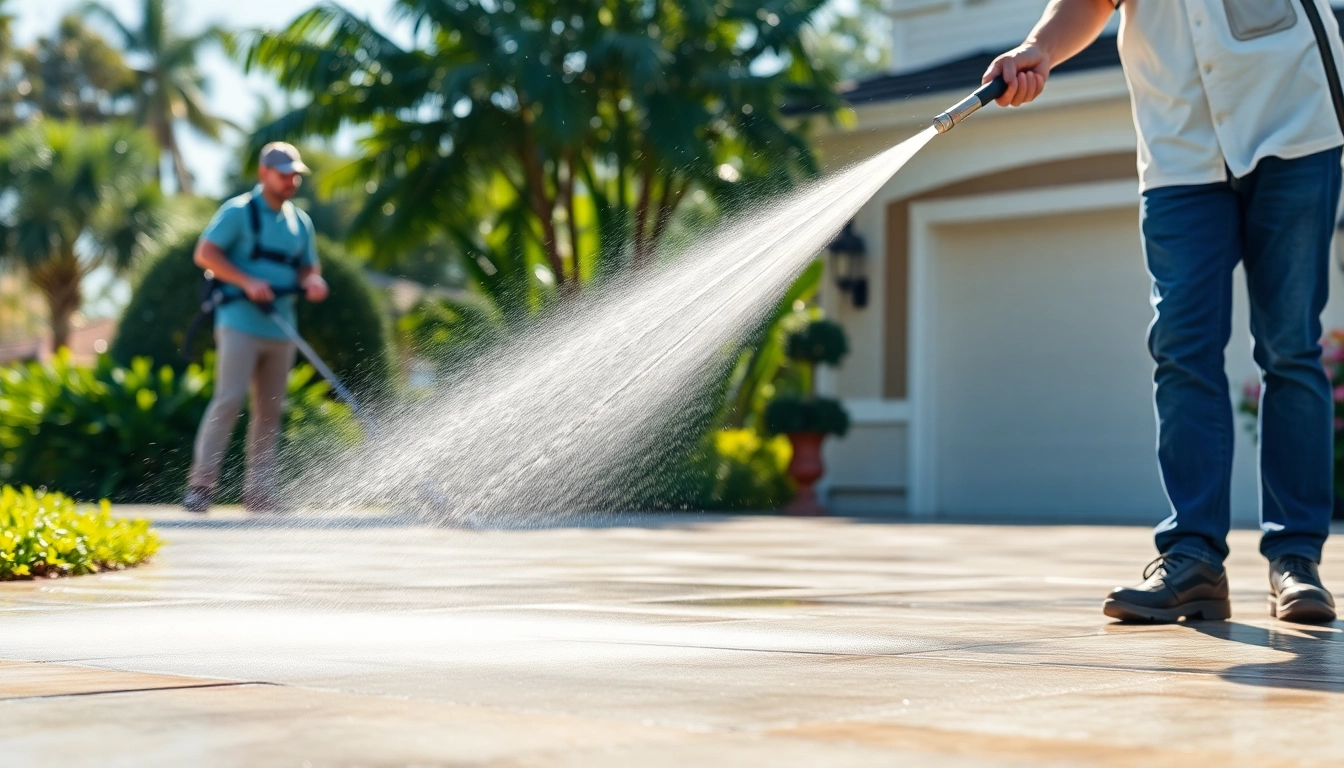
Understanding Concrete Cleaning: Importance and Techniques
Concrete surfaces are a common feature in both residential and commercial properties, often subjected to the elements and heavy foot traffic, leading to the accumulation of dirt, grime, and stains. This makes concrete cleaning not just a cosmetic choice but a necessary maintenance task. Regular cleaning ensures that these surfaces remain visually appealing while extending their lifespan. Understanding the processes involved in concrete cleaning can significantly enhance the effectiveness of your maintenance strategy.
What is Concrete Cleaning?
Concrete cleaning refers to the systematic removal of dirt, grime, stains, and other contaminants from concrete surfaces using various cleaning methods. This process can include pressure washing, chemical treatments, or a combination of both techniques. Concrete cleaning is essential for maintaining the aesthetic appeal of driveways, patios, sidewalks, and commercial spaces, ensuring they remain safe and visually inviting.
Benefits of Regular Concrete Maintenance
Investing in regular concrete maintenance not only preserves the appearance of your surfaces but also offers several additional benefits:
- Enhanced Curb Appeal: Clean concrete significantly improves the visual appeal of your property, making it more attractive to guests and potential buyers.
- Increased Longevity: By removing contaminants that can lead to deterioration, regular cleaning extends the life of your concrete surfaces, saving you money on repairs or replacements.
- Safety Improvements: Dirty concrete can become slippery and hazardous, especially when wet. Regular cleaning mitigates these risks, ensuring safer walking areas.
- Preventative Maintenance: Regular cleaning helps identify and address issues like cracks or structural weaknesses before they escalate into costly repairs.
Common Techniques for Effective Cleaning
There are several techniques commonly employed in concrete cleaning, each suited to specific types of stains and surface conditions:
- Pressure Washing: This method uses high-pressure water jets to remove dirt, debris, and stains. It’s particularly effective for removing mold, algae, and built-up grime.
- Soft Washing: Ideal for more delicate surfaces, this technique uses low-pressure water along with eco-friendly cleaning agents to clean without risking damage.
- Chemical Cleaners: Various chemical solutions are available for targeted cleaning of specific stains, such as oil or rust. These products can significantly enhance the cleaning process when used correctly.
- Sealing: After cleaning, applying a sealant can protect the concrete from future stains and weathering, making future maintenance easier.
Choosing the Right Equipment for Concrete Cleaning
The efficacy of your concrete cleaning largely depends on the choice of equipment. Selecting the right tools tailored to your specific needs is crucial for achieving optimal results.
Types of Pressure Washers: Gas vs. Electric
Pressure washers come in two primary types: gas and electric. Gas pressure washers generally offer more power, suitable for heavy-duty cleaning tasks, making them ideal for larger areas or tough stains. Conversely, electric pressure washers are typically quieter and easier to operate, making them perfect for residential use and smaller jobs.
Essential Attachments for Optimal Cleaning
To enhance your pressure washing experience, consider investing in various attachments:
- Surface Cleaners: These are perfect for large flat surfaces like driveways and patios, ensuring even cleaning.
- Turbo Nozzles: Use these for tough stains, as they increase cleaning power by rotating the water stream.
- Extension Wands: These allow you to reach high areas without a ladder, perfect for cleaning walls or roofs.
Safety Gear and Precautions
When operating pressure washing equipment, safety is paramount. Always wear appropriate personal protective equipment (PPE), such as:
- Safety goggles to protect your eyes from debris.
- Gloves to prevent chemical exposure and protect your hands.
- Non-slip footwear to ensure stability on wet surfaces.
- Ear protection if using a gas pressure washer due to loud noise levels.
Eco-Friendly Practices in Concrete Cleaning
Adopting eco-friendly practices in concrete cleaning not only benefits the environment but also promotes a healthier living and working space. Here are some ways to go green while maintaining cleanliness:
Benefits of Eco-Safe Cleaning Products
Choosing eco-friendly cleaning products minimizes harmful chemical runoff and potential damage to local ecosystems. These products are typically biodegradable and less toxic, making them safer for pets, children, and plants.
Water Reclamation Methods
Water reclamation involves collecting and reusing water used during cleaning. This practice reduces water waste and is increasingly important in areas facing water scarcity. Employing a vacuum recovery system during pressure washing can capture runoff and recycle it, optimizing your cleaning process.
How to Reduce Environmental Impact
To further reduce your ecological footprint while cleaning concrete:
- Use minimal water by focusing on targeted cleaning methods.
- Choose biodegradable detergents that won’t harm the environment.
- Regularly maintain your equipment to ensure efficiency and reduce energy consumption.
Professional Concrete Cleaning Services: What to Expect
While DIY cleaning can be effective, enlisting professional services offers numerous advantages. Understanding what to expect can help you make informed decisions.
Hiring vs. DIY: Pros and Cons
Deciding between a DIY approach and hiring professionals has its pros and cons:
- Pros of DIY: Cost-saving, flexibility in scheduling, and control over cleaning processes.
- Cons of DIY: Potential for improper techniques, injury risks, and time-consuming processes.
- Pros of Hiring Professionals: Expertise, access to industrial-grade equipment, and better cleaning results.
- Cons of Hiring Professionals: Higher costs and less personal control over the process.
Key Indicators of a Reliable Service Provider
When selecting a concrete cleaning service, look for these indicators of reliability:
- Positive customer reviews and testimonials.
- Licensing and insurance, ensuring protection and accountability.
- Transparent pricing with detailed quotes.
- Experience and knowledge of different cleaning methods and materials.
Typical Service Processes and Timelines
Most professional concrete cleaning services will follow a structured process:
- Initial Assessment: Evaluating the condition of the concrete and noting specific issues.
- Preparation: Clearing the area of furniture, debris, and planning the cleaning approach.
- Cleaning: Utilizing appropriate techniques and equipment for effective results.
- Post-Cleaning Inspection: Ensuring satisfaction and discussing any necessary follow-up actions.
Projects typically take between a few hours to a full day, depending on the size and condition of the concrete.
Future Trends in Concrete Cleaning: What to Watch for in 2025
The concrete cleaning industry is evolving, with new trends and technologies emerging that promise to enhance cleaning effectiveness and sustainability.
Innovative Cleaning Technologies on the Horizon
Innovations in technology are set to revolutionize concrete cleaning. Expect to see advancements in:
- Automated Cleaning Systems: Robotics and automated machines are being developed for efficient and consistent cleaning.
- Smart Technology: Integration of IoT devices to monitor surface conditions and optimize cleaning schedules.
Shifts in Consumer Preferences and Eco-Consciousness
As eco-consciousness grows, consumers are increasingly seeking sustainable cleaning options. This shift will likely drive demand for:
- Biodegradable cleaning agents and eco-friendly equipment.
- Services that demonstrate water conservation and pollution prevention measures.
Predictions for the Pressure Washing Industry
Looking ahead, we anticipate that the pressure washing industry will focus on:
- Greater regulatory measures regarding environmental impact.
- Increased competition leading to higher service quality and customer service standards.
- Innovation in cleaning methods that require less water and energy.
In conclusion, maintaining clean concrete surfaces is not only vital for aesthetics but also for the longevity and safety of these areas. By understanding the importance of proper cleaning techniques and choosing suitable products and services, you can ensure your concrete remains in top condition for many years to come.


